Start Eco Cleaning: UK Household Guide
4mins read
So you've decided to make the switch to eco cleaning products. Brilliant. But staring at a cupboard full of half-empty conventional bottles whilst scrolling through eco options online can feel paralysing. Do you bin everything and start fresh? Absolutely not. The greenest product is the one you already own.
My advice is to finish what you've got, then replace it with something better. You're not trying to win a sustainability award overnight – you're building habits that'll stick for years.

Image credit: Pexels
Start Where You Clean Most
Most UK households have a workhorse cleaner they reach for daily. For some that's a kitchen spray, for others it's a bathroom cleaner. That's your first swap. Replacing the product you use most means you'll notice the difference immediately – and you won't be managing a confusing mix of old and new for too long.
A multi-surface spray is genuinely the best place to begin. One bottle handles worktops, splashbacks, tables, and often bathroom sinks too. You'll stop reaching for three different products and start keeping things simpler.
Attirecare | Clean Home Cepano Multi Surface Cleaner

What Actually Makes a Cleaner Eco-Friendly?
This is where it gets murky. Green packaging doesn't mean green ingredients. Did you know some brands slap a leaf logo on the label whilst the formula inside is nearly identical to conventional cleaners?
Here's what to look for when you're switching to eco cleaning products in the UK:
Plant-based surfactants: these are the ingredients that actually lift dirt and grease, derived from things like coconut or corn rather than petroleum
Biodegradable formulas: it should break down safely after going down the drain, not linger in waterways
Minimal or recyclable packaging: glass bottles, aluminium, or properly recyclable plastic (check your local council's rules)
Transparent ingredient lists: if a brand hides behind "proprietary blend" with no further detail, that's a red flag
No synthetic fragrances: "parfum" on a label usually means a cocktail of undisclosed chemicals; natural essential oils should be listed clearly
Room-by-Room Swaps That Make Sense
I wouldn't buy a full eco cleaning arsenal in one go. Spread it out over a few months as things run out. Here's a realistic order of battle:
Kitchen first. You're wiping surfaces that touch food, so this is where natural cleaning products matter most. After your multi-surface spray, consider a specific marble or stone cleaner if you've got those worktops – conventional formulas can dull natural finishes over time.
Detoorp | Wood Cellulose Swedish Dishcloths

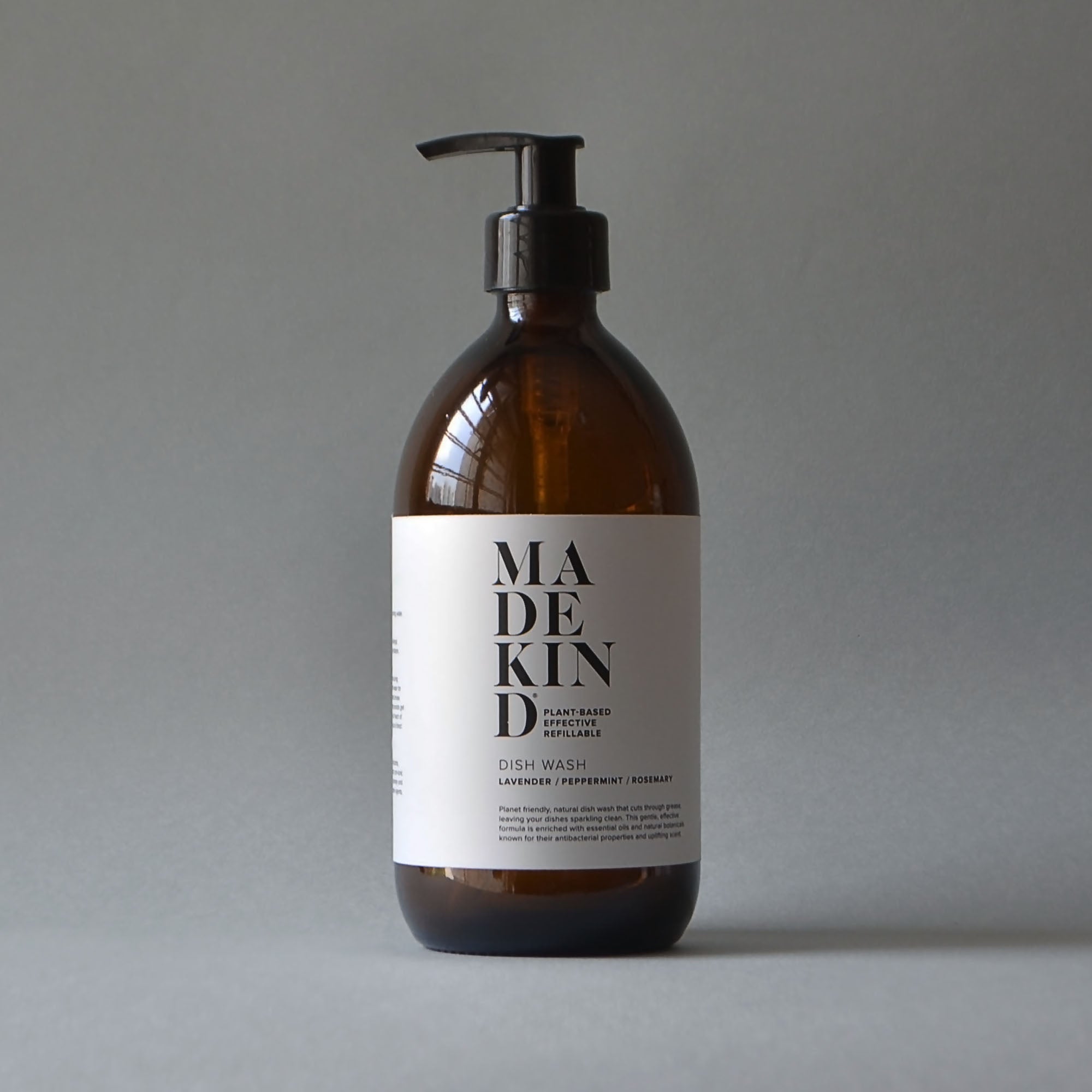
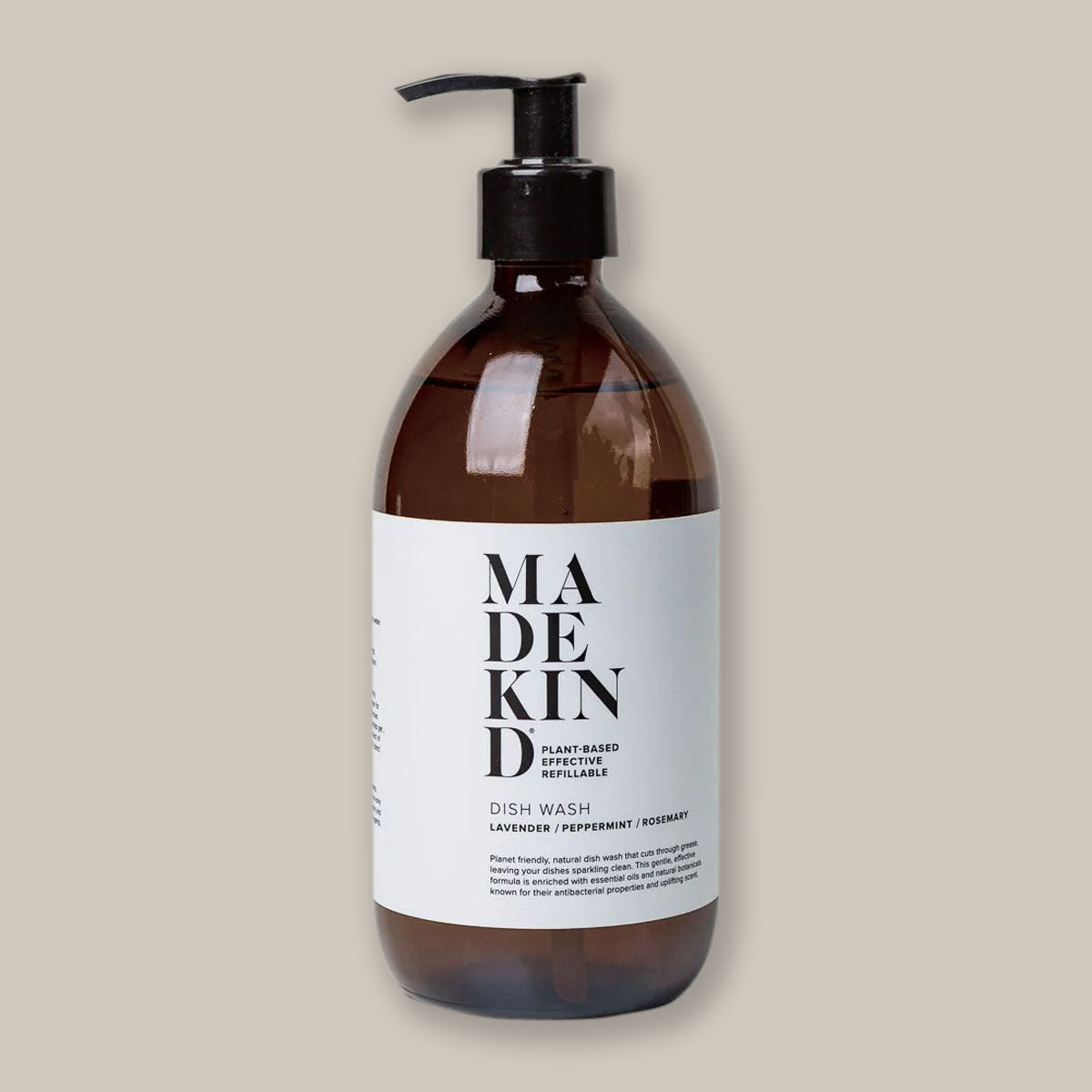
Washing-up liquid comes next. You use it daily, it goes straight down the drain into waterways, and eco versions work just as well without the harsh chemicals.
Bathroom second. Toilet cleaners and limescale removers are where people worry eco won't cut through the grime. Honestly? Vinegar-based formulas are shockingly effective, especially in hard-water areas across the UK. They just smell different to what you're used to – which isn't a bad thing once you adjust.
Norfolk Natural Living | Scented Vinegar

Living areas last. These tend to need the least aggressive cleaning anyway. A good multi-surface spray and a microfibre cloth will handle most jobs. If you've got wooden furniture, a specific wood polish might be worth adding later, but it's not urgent.
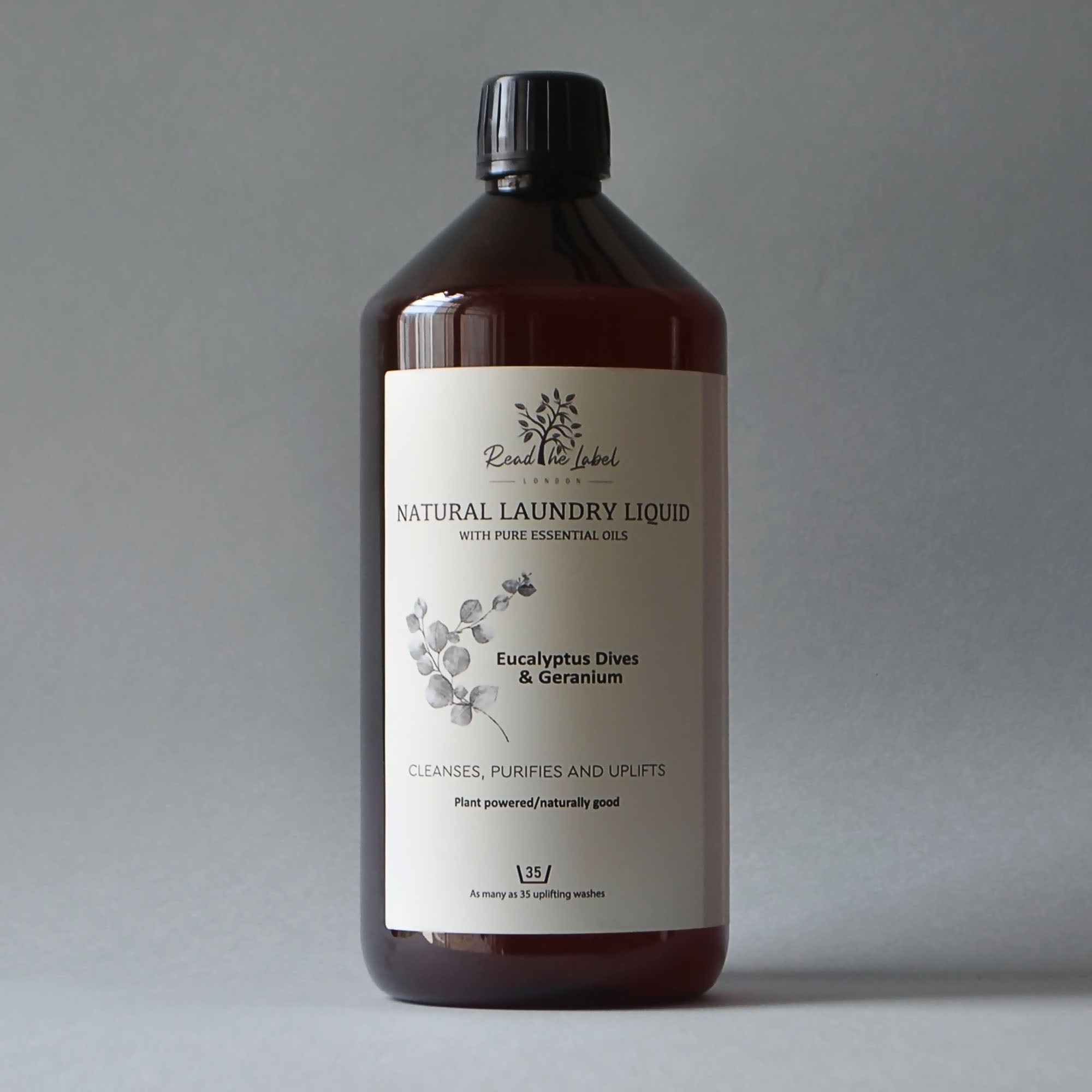
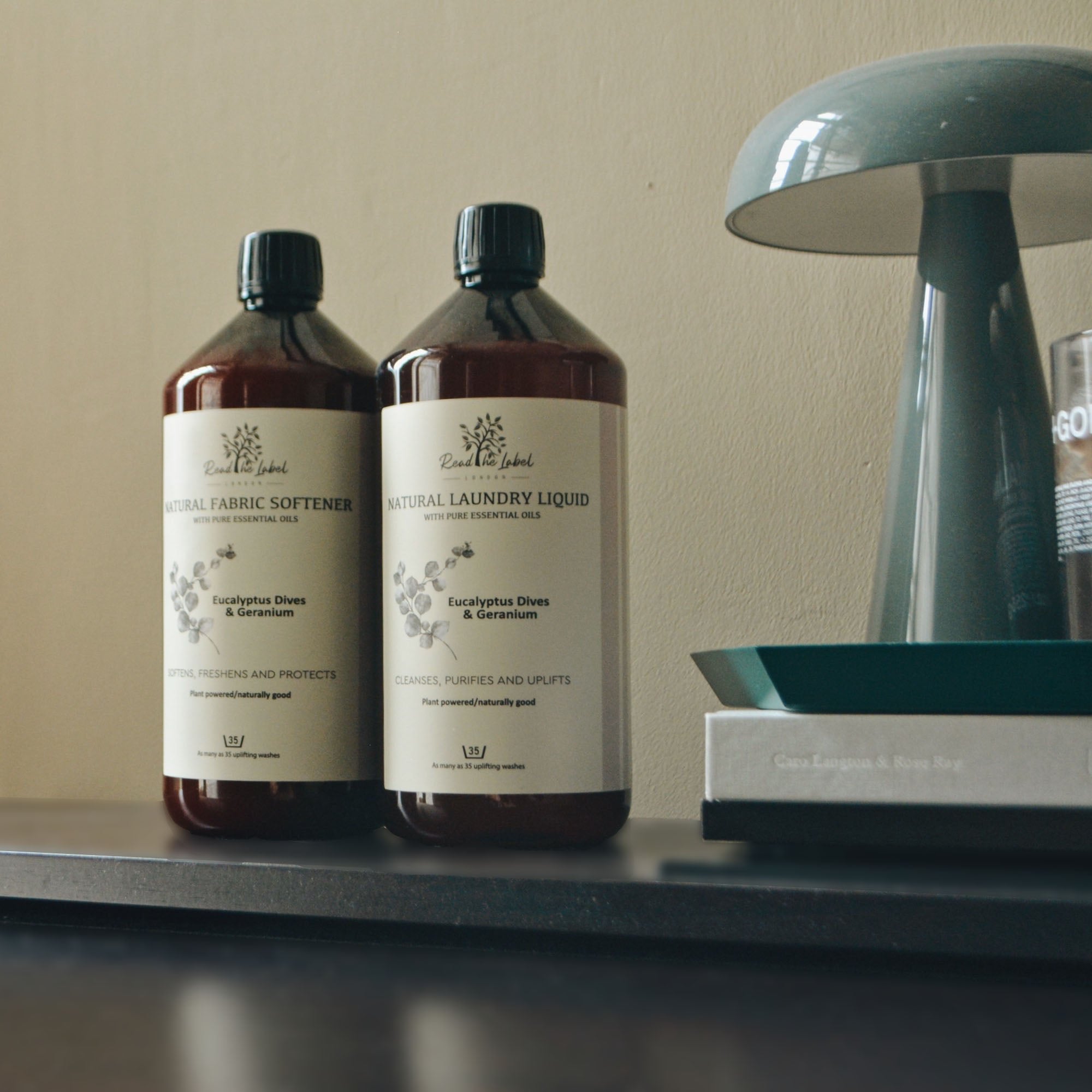
Read The Label | Natural Multi-surface Spray

Eco-friendly and non-toxic cleaning spray which smells beautifully with organic essential oils This chemical free and plant powered multi surface cleaner from Read The Label aka Vanilla Blanc is formulated to not only smell divine – thanks to its perfect blend of pure organic essential oils - but to also deliver on performance and safe cleaning. T…
Ready to make your first swap? Browse our collection of natural cleaning products and find the one that fits your home.