How to Make Natural Dish Soap Last Longer: 7 Money-Saving Hacks
6mins read
Switching to natural dish soap is brilliant for the planet, but let's be honest – those bottles don't always come cheap. The good news? A few clever habits can make your eco-friendly washing up liquid stretch much further than you'd think, without leaving your plates greasy or your sink full of suds that won't rinse.
Stop Drowning Your Sponge
Here's the mistake nearly everyone makes: squirting soap directly onto a soaking wet sponge under running water. You're essentially washing half of it straight down the drain. Instead, squeeze your sponge until it's just damp, add a small amount of dish soap, then work it into a lather before you start washing. You'll use about half as much product and get better cleaning power. One pump or a teaspoon is genuinely enough for a normal sink of dishes.
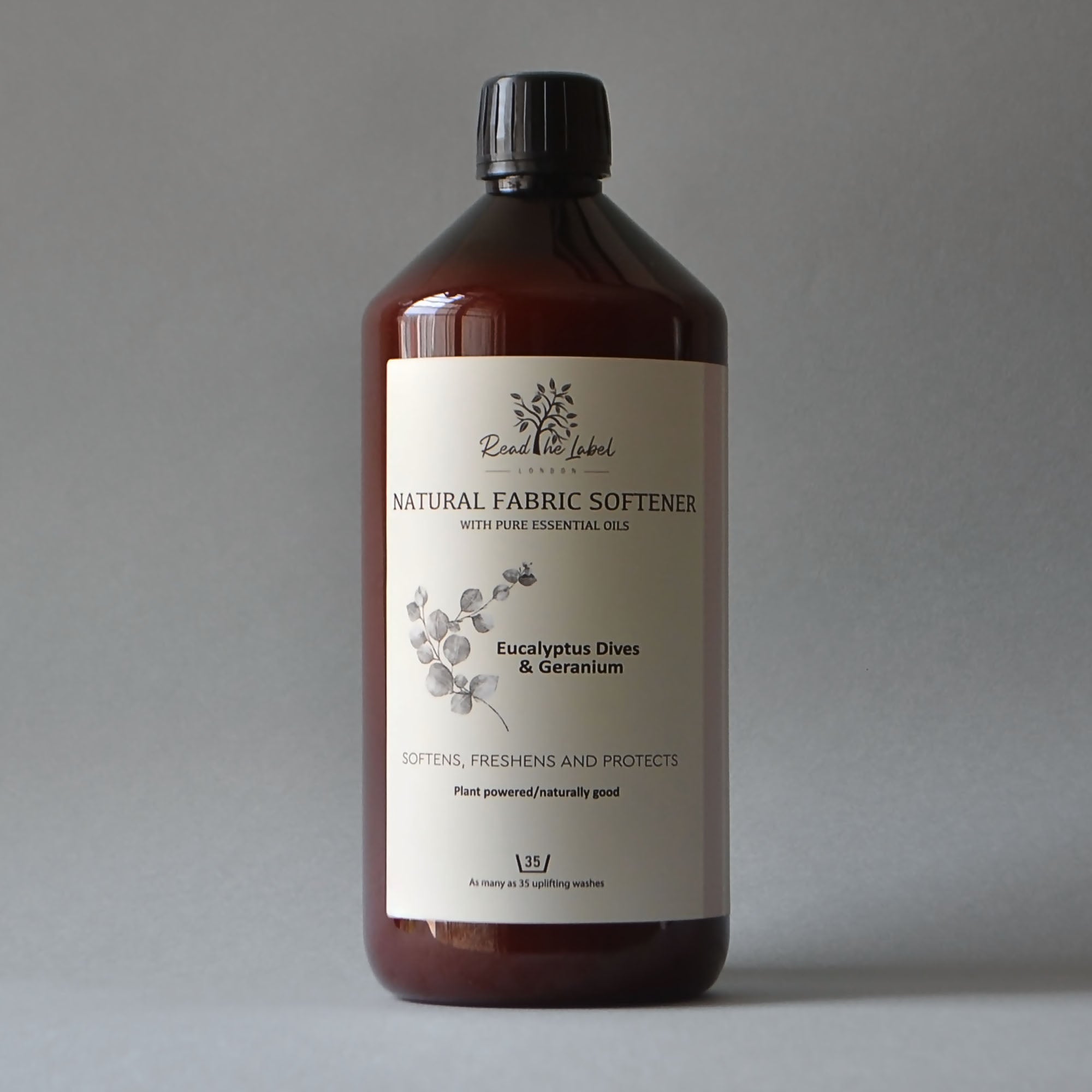
Read The Label | Natural Washing Up Liquid


Image credit: Pexels
The Soap Reservoir Trick
This kitchen cleaning hack changed everything for me. Keep a small dish or jar beside your sink with diluted natural dish soap – roughly one part soap to three parts water. Dip your brush or sponge into this instead of the bottle each time. It prevents over-pouring, the diluted mixture spreads more easily across dishes, and one bottle suddenly lasts weeks longer. Works brilliantly with concentrated formulas.
Detoorp | Bamboo Dish Washing Brush

Temperature Matters More Than You Think
Hot water activates natural washing up liquid far more effectively than cold, meaning you need less product to cut through grease. You don't need scalding temperatures – warm water does the job perfectly whilst being kinder to your hands and energy bills. For stubborn burnt-on food, fill the pan with hot water and a tiny squirt of soap, then leave it to soak for twenty minutes before washing. The soap does the work whilst you don't.
Pre-Soak Strategically
Don't waste precious eco dish washing liquid scrubbing away at dried pasta sauce or porridge remnants. A quick scrape into the bin, then a five-minute soak in hot water alone loosens most food debris. Add your natural dish soap only when you're ready to actually wash. This approach also prevents you from repeatedly adding more product because "it's not working" – when really, you just needed patience.
The Two-Bowl Method
If you wash dishes by hand regularly, try this: one bowl with hot soapy water for washing, one with clean hot water for rinsing. You'll use far less soap than washing each item individually under a running tap, and your natural washing up liquid won't get diluted into oblivion before it's had a chance to clean anything.
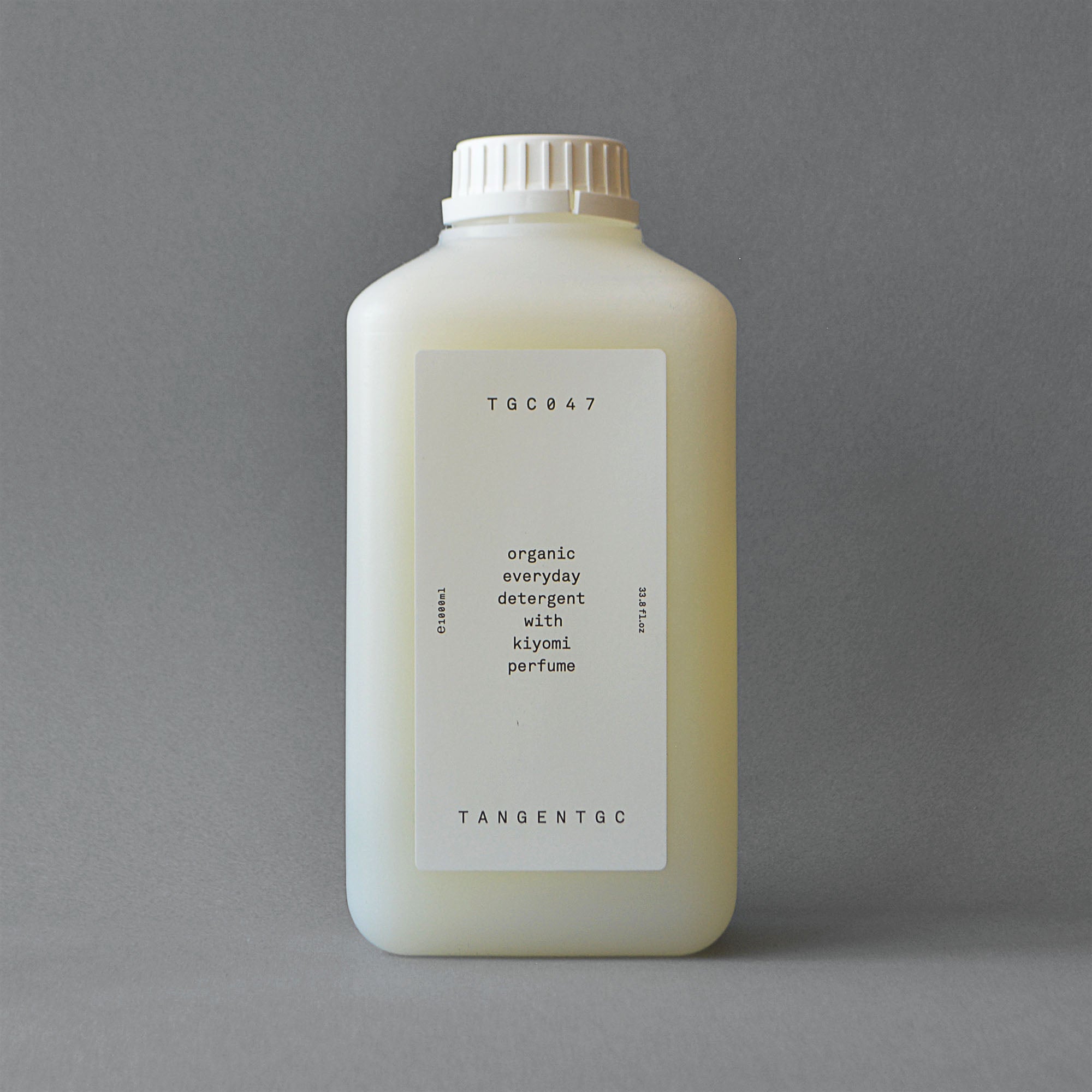
Tangent GC | Natural Yuzu Dish Wash

Know When to Replace Your Tools
A worn-out sponge or brush holds less soap and spreads it less effectively, meaning you use more product to compensate. If your cleaning tools have seen better days, you're probably wasting dish soap without realising it. Swap them out regularly, and you'll notice how much further your natural formulas stretch.
Small changes, big difference. These habits won't just make your natural dish soap last longer – they'll make washing up feel less wasteful overall, which somehow makes the whole task slightly less tedious. Funny how that works.
Ready to stock up on natural washing up essentials that'll go the distance? Explore our kitchen collection for plant-based formulas and sustainable tools designed to work beautifully together.