How to Wash Wool and Cashmere with Hard Water in the UK
3mins read
I know the feeling. You've just unwrapped a gorgeous cashmere jumper or bought yourself that wool coat you've been eyeing for months, and now it's sitting in your wardrobe because you're terrified of ruining it in the wash. Hard water across much of the UK doesn't help either – those mineral deposits can leave delicate fibres feeling stiff and dull.
Here's what I've learned: washing wool and cashmere at home is completely doable once you understand what these fabrics actually need.

Image credit: Pexels
Why Delicate Fabrics Need Different Treatment
Wool and cashmere aren't like your cotton T-shirts. The fibres have a scaly surface that can mat together (hello, felting) when exposed to heat, agitation, or harsh alkaline detergents. Standard laundry powders often contain enzymes designed to break down protein-based stains – which sounds brilliant until you realise wool itself is a protein. You're essentially asking the detergent to digest your jumper.
What you need instead is a pH-neutral formula with gentle surfactants that lift dirt without attacking the fibre structure. A proper cashmere laundry detergent will clean effectively whilst protecting the natural oils that keep these fabrics soft.
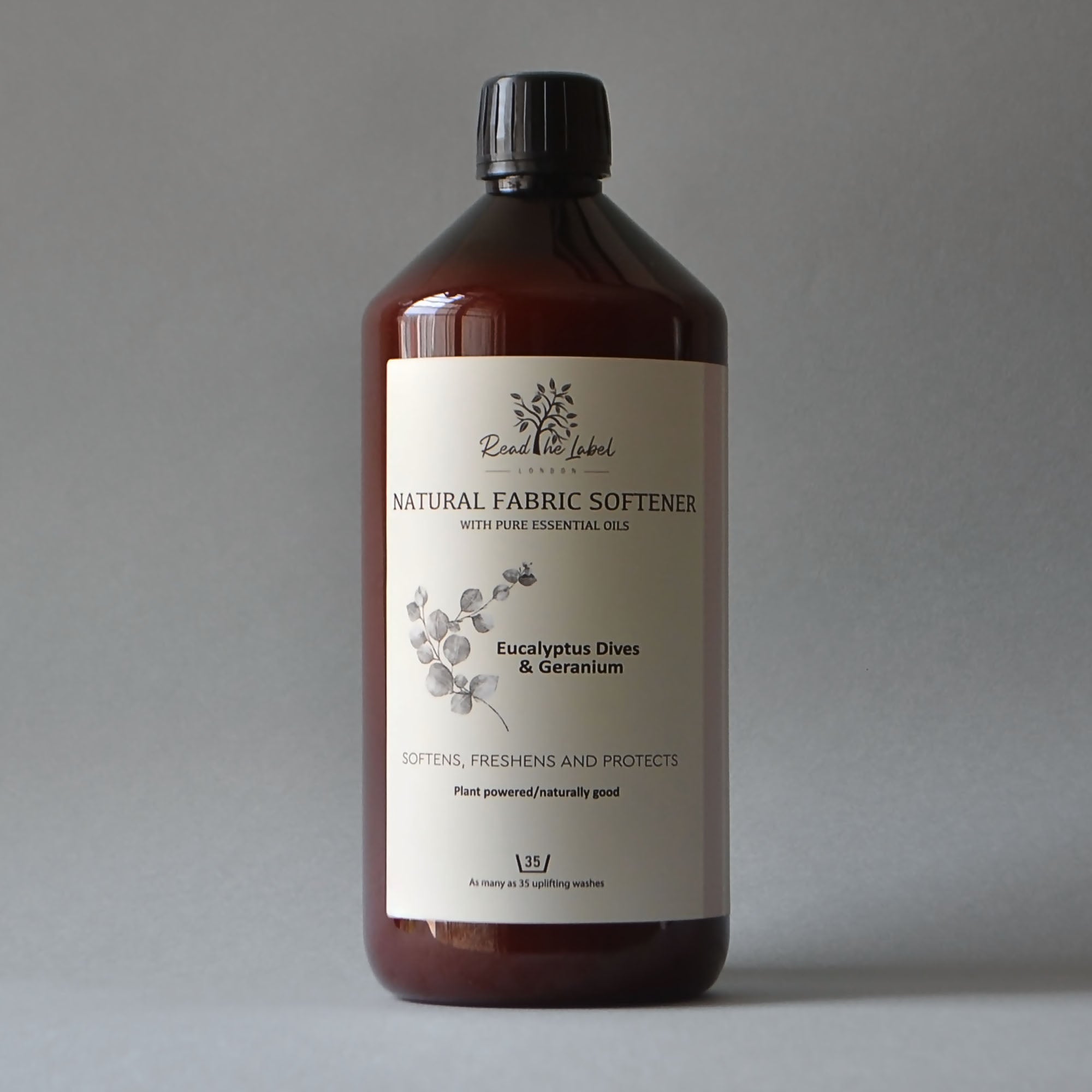
Attirecare | Delicate Wash Prima

Hand Wash or Machine?
My advice: if the care label says hand wash only, trust it. Fill a basin with cool water (never hot – aim for around 20°C), add your detergent, and submerge the garment. Gently press the water through the fabric rather than wringing or rubbing. Let it soak for ten to fifteen minutes, then rinse thoroughly in clean cool water until the suds are gone.
For items labelled machine-washable, use the wool or delicate cycle with a slow spin. Pop them in a mesh laundry bag to reduce friction. The key is minimal agitation and cool temperatures – heat is the enemy here.
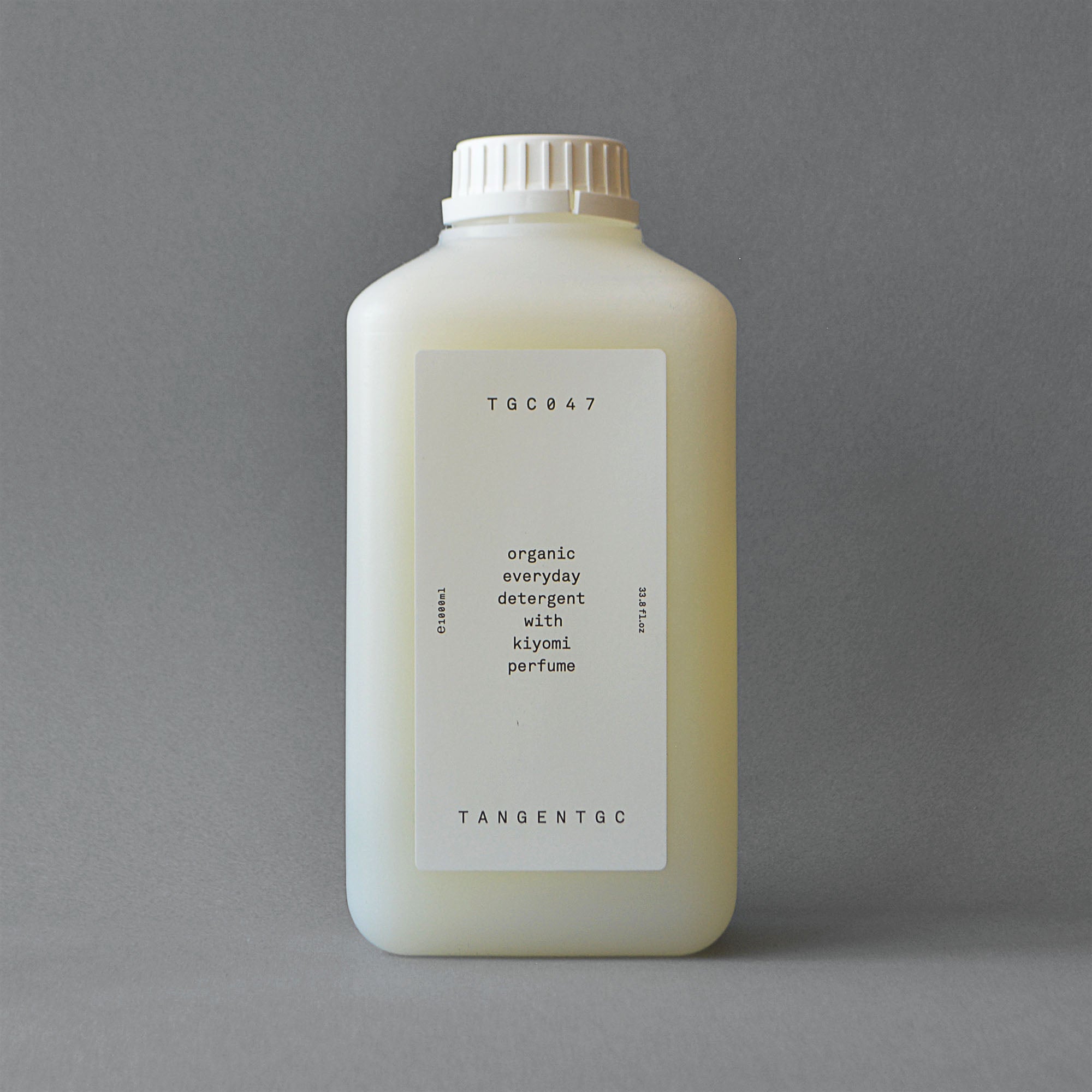
Tangent GC | Organic Cashmere Detergent

The Hard Water Challenge
If you live in London, the Southeast, or parts of the Midlands, you're dealing with hard water. Those calcium and magnesium salts can build up on delicate fabrics, leaving them feeling rough. A quality natural wool wash will work more effectively in hard water than cheap alternatives, but you might also want to use slightly less detergent than the bottle suggests – counterintuitive, I know, but too much soap in hard water creates residue rather than rinsing clean.
Drying Without Drama
Never tumble dry wool or cashmere unless you're aiming for doll-sized knitwear. After washing, gently squeeze out excess water (don't twist), then lay the garment flat on a clean towel. Roll the towel up with the garment inside to absorb more moisture, then unroll and reshape the item on a fresh dry towel or drying rack. Flat drying prevents stretching. Keep it away from direct heat or sunlight.
How Often Should You Actually Wash These?
Here's the truth: you're probably overwashing. Wool and cashmere are naturally odour-resistant and self-cleaning to an extent. Unless there's a visible stain or the garment genuinely smells, airing it out between wears is often enough. I wash my cashmere jumpers every four to five wears, wool coats maybe once or twice a season. For the times in between, a quick steam or a fabric refresher works wonders.
Storage Matters Too
Once your delicate knits are clean and bone-dry, fold them rather than hanging – wire hangers will stretch shoulders out of shape. Store in a breathable cotton bag with a cedar block or lavender sachet to deter moths. Never use plastic storage bags long-term; natural fibres need air circulation.
Taking proper care of wool and cashmere isn't fussy – it's just different. Once you've got the right products and a gentle routine sorted, these pieces will stay beautiful for years. Worth the small effort, wouldn't you say?
Explore our collection of specialist delicate fabric care at Detoorp and give your favourite knits the treatment they deserve.