Plastic-Free Kitchen Essentials on a Budget: UK Guide
4mins read
The kitchen is where most of us generate the bulk of our household waste, so it's also where you'll see the biggest impact when you start swapping out single-use items. I'd say it's the perfect place to begin if you're new to sustainable living, because the changes are visible, practical, and surprisingly affordable once you do the sums.
Here's the thing about going plastic-free: the upfront cost can look intimidating until you realise you're buying things that actually last. That £2 pack of synthetic scourers you replace every few weeks? It adds up to far more over a year than investing in something durable from the start.
Start With What You Touch Most
My advice is to focus on the items you reach for daily. Washing-up tools, surface cleaners, and anything disposable are your highest-impact swaps. A natural copper cleaning pad, for instance, replaces dozens of throwaway scourers and works beautifully on delicate surfaces without scratching.
Norfolk Natural Living | Copper Scouring & Cleaning Pad

It's also just nicer to use. There's something satisfying about the weight and texture of natural materials, the way copper feels in your hand compared to a flimsy plastic sponge. These small sensory details matter when you're doing everyday tasks.
Building Your Starter Kit: £30-50 Reality Check
You don't need to overhaul everything at once. A solid foundation costs less than you think:
-
Reusable cleaning tools: copper or natural fibre scourers, wooden brushes, and cotton cloths replace disposable sponges and wipes (roughly £15-20 total, lasting years).
Detoorp | Wood Cellulose Swedish Dishcloths

-
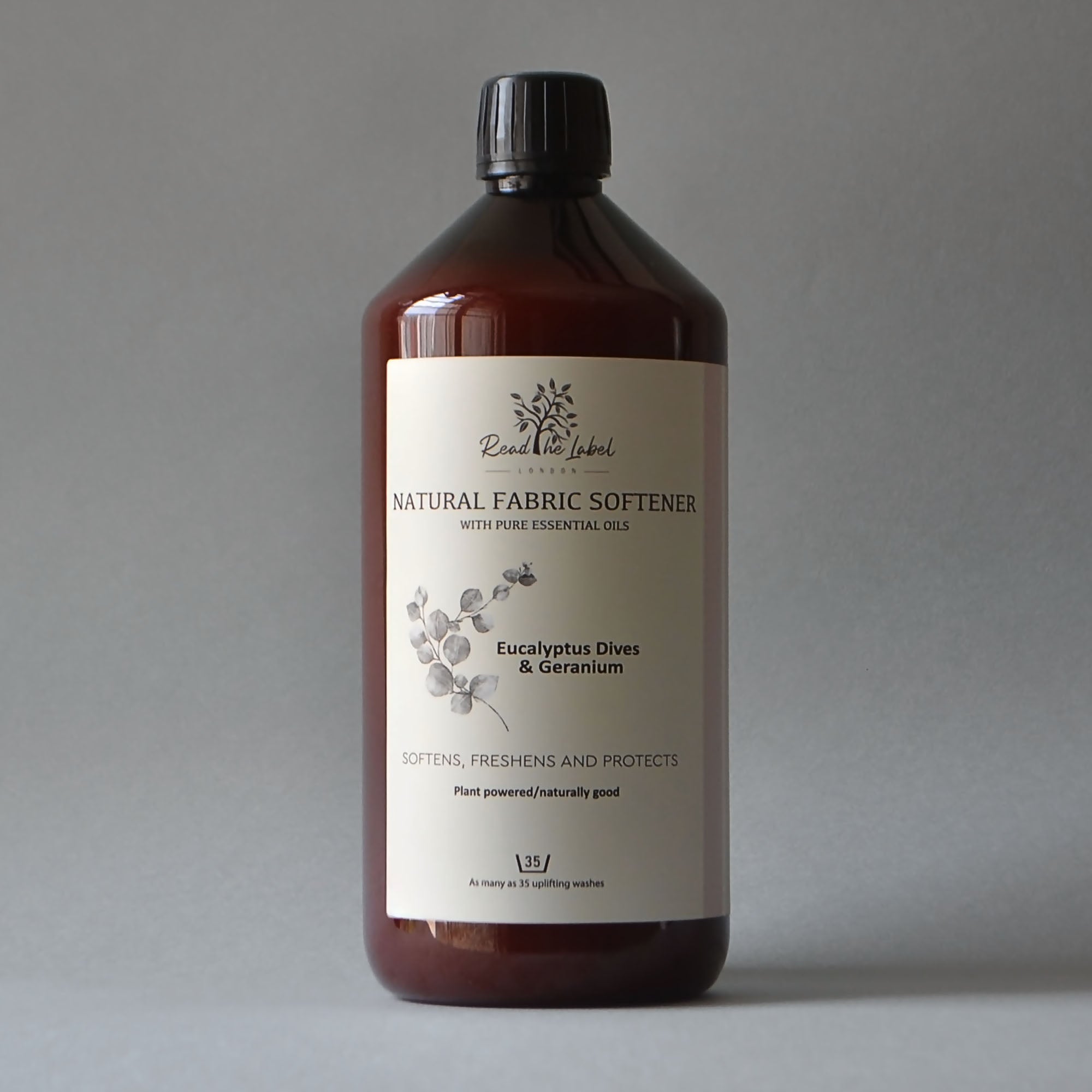
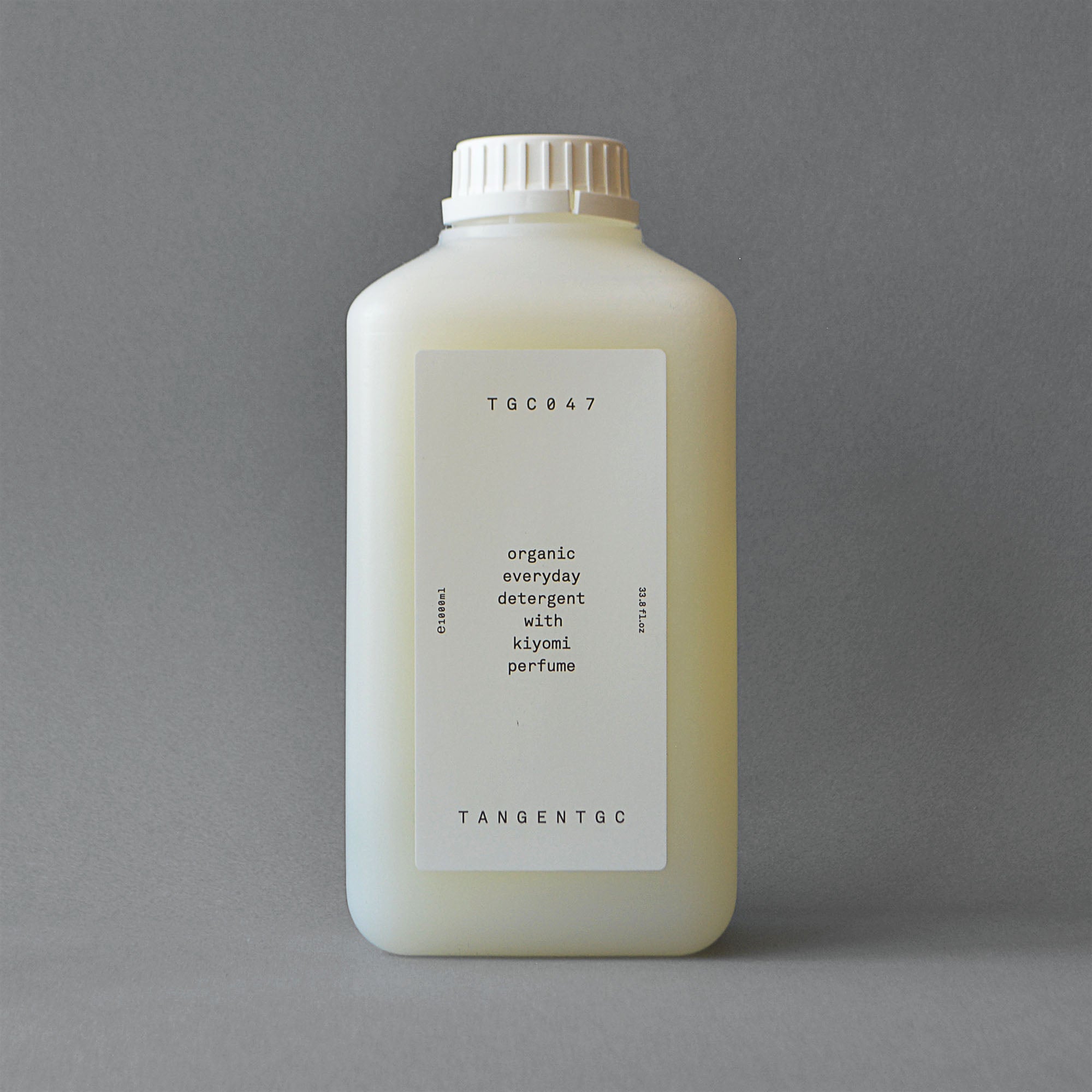
Natural cleaners: one multi-surface spray in a refillable bottle handles most jobs and eliminates multiple plastic bottles cluttering your cupboard (around £8-12).
-
Unbleached paper alternatives: for the few disposables you genuinely need, like coffee filters or baking cups, choose chlorine-free options that won't leach chemicals (£3-5 per pack, each lasting months).
If You Care | Large Baking Cups

If You Care Baking Cups are made from unbleached totally chlorine-free (TCF) greaseproof paper. They are perfect for sweet and savory baked goods. Your muffins, cupcakes, mini quiches and other recipes won’t stick to our baking cups because of their natural easy release properties.The baking cups are totally chlorine-free, so no chlorine or chlori…
-
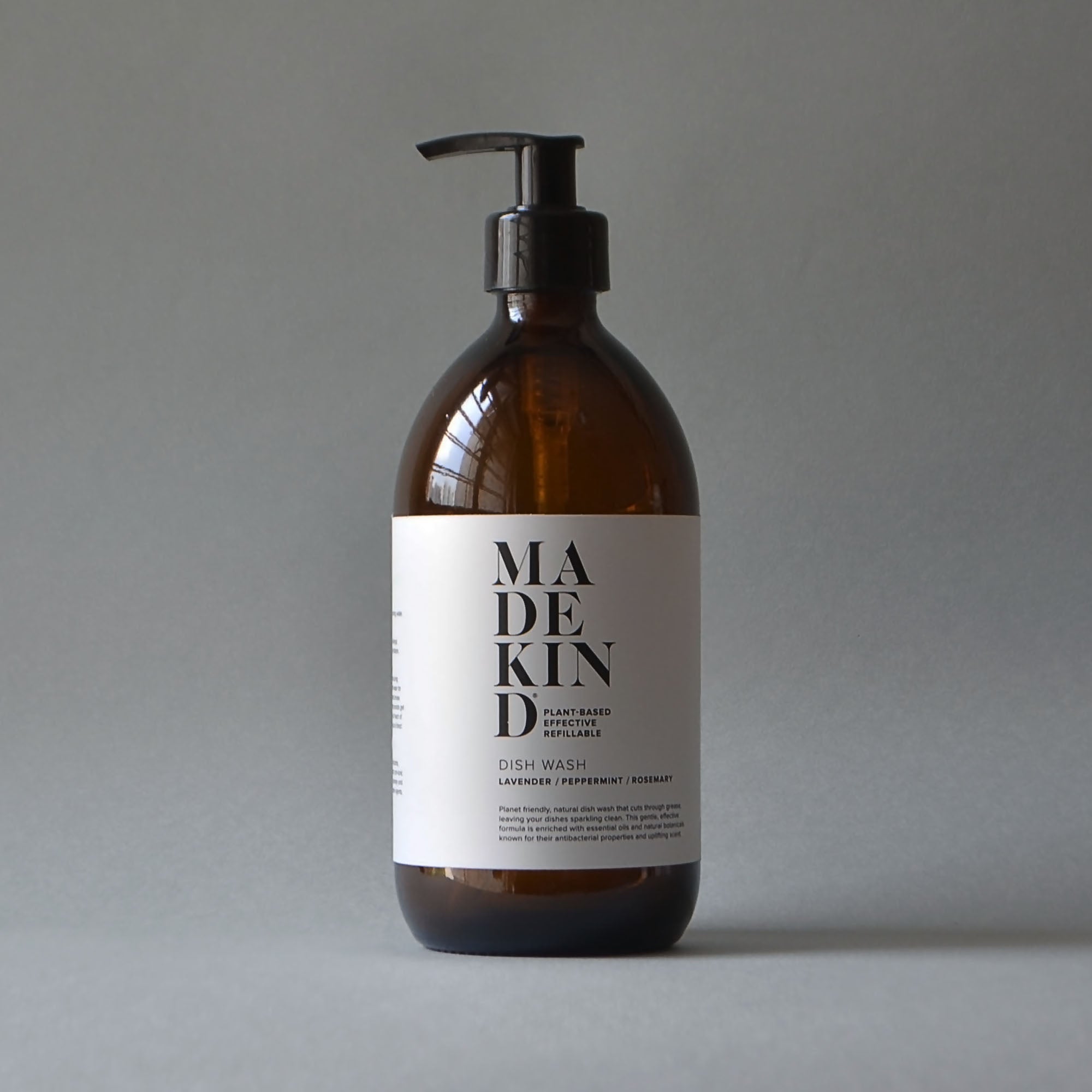
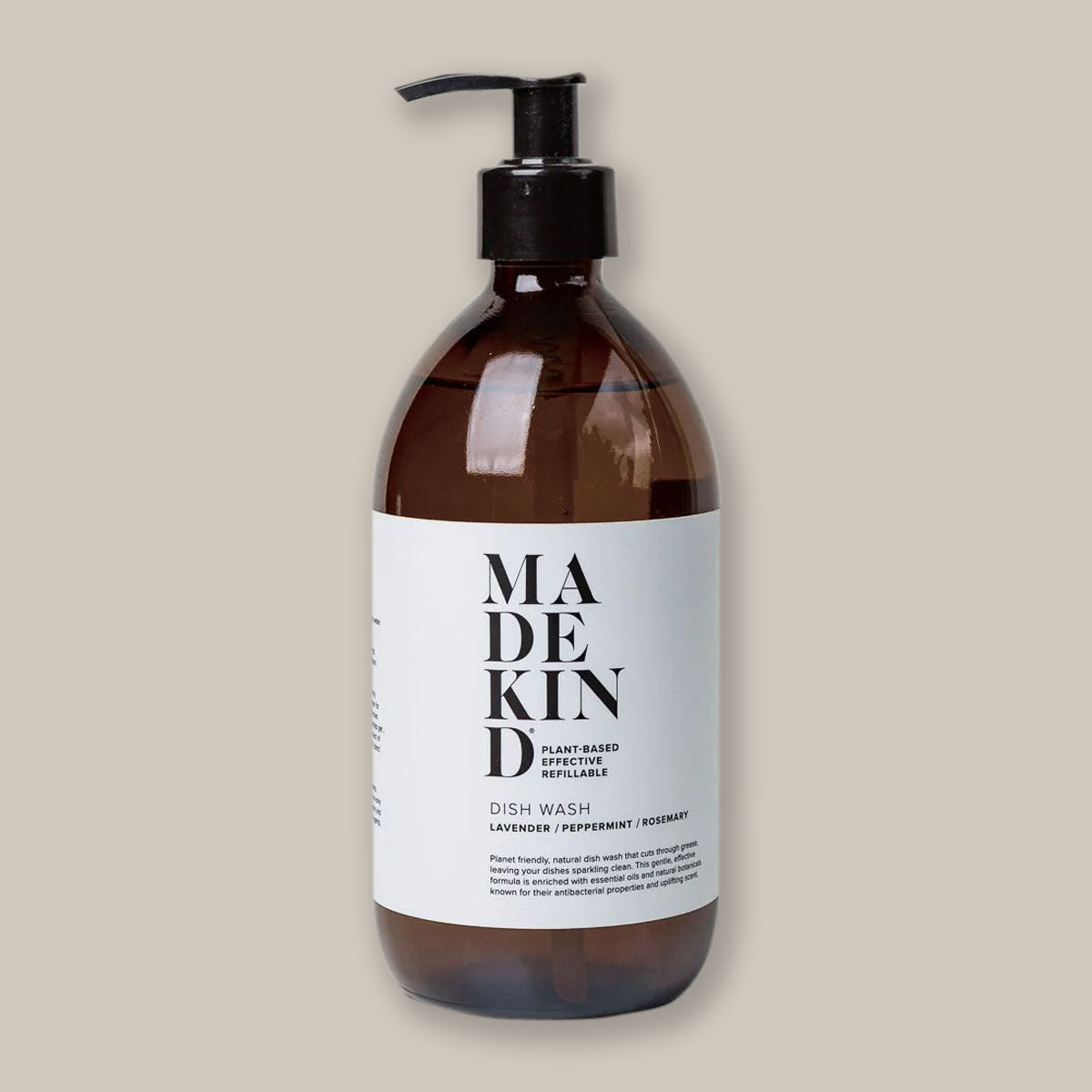
Natural washing-up liquid: plant-based formulas work just as well as conventional versions, often better, without the harsh fragrance that lingers on your dishes (£6-8 for a bottle).
That puts your initial investment between £30-50, replacing products you'd have bought anyway. The difference is these actually last, so your monthly spend drops after the first purchase.
Where Your Money Goes Furthest
Not all swaps deliver equal environmental impact. Prioritise anything single-use or frequently replaced first. Ditch plastic-wrapped sponges, disposable wipes, and bottled cleaners before worrying about, say, your spatula. The biggest wins come from breaking the cycle of constant repurchasing.
Did you know most conventional kitchen products are designed to wear out quickly? It's not an accident. Natural materials like copper, wood, and plant fibres are built to endure, which is exactly why they represent better value despite the higher ticket price. A quality copper pad can last two years or more with proper care. Work out what you'd spend on throwaway alternatives in that time and the maths is obvious.
The Sensory Shift Nobody Mentions
Beyond the environmental and financial arguments, there's this: sustainable products just feel better. Natural scents like bergamot or lavender instead of synthetic "lemon fresh" chemicals. The pleasant heft of a wooden brush. Even the visual appeal of keeping things on display rather than hidden under the sink because they're actually attractive.
Detoorp | Bamboo Dish Washing Brush

These aren't small things when you're spending time in your kitchen every day. The space feels calmer, more intentional. You're not surrounded by garish plastic packaging screaming at you from every surface.
Common Concerns, Honest Answers
Will natural cleaners actually work? Yes, properly formulated plant-based products are just as effective, often more so because they're concentrated. You're just not paying for water, filler ingredients, and excessive packaging.
What if I can't afford everything at once? Then don't buy everything at once. Replace items as they run out, starting with whatever you use most. One sustainable swap per month is still twelve positive changes by this time next year.
Is it worth it for just one person? Absolutely. Individual choices scale. If everyone made even two or three swaps, the collective impact would be enormous.

Image credit: Pexels
Going plastic-free in your kitchen isn't about perfection or spending a fortune. It's about making considered choices that respect both your budget and the planet, whilst creating a space that genuinely feels good to be in.
Ready to start your sustainable kitchen journey? Explore our Kitchen collection for plastic-free essentials that combine practicality with everyday indulgence.
Cover image credit: Pexels